Top Developments in Storage Tank Manufacturing: Improving Effectiveness and Sustainability
The landscape of storage tank manufacturing is undergoing substantial change as market leaders increasingly embrace developments aimed at enhancing both efficiency and sustainability. Trick improvements, consisting of using innovative products and smart technologies, are redefining operational criteria while addressing ecological concerns. In addition, modular container layouts and environment-friendly manufacturing procedures existing brand-new methods for source optimization. As these trends remain to develop, the ramifications for market practices and long-term sustainability objectives quality better exploration. What certain advancements are establishing the phase for this standard shift?
Advanced Products for Durability
The evolution of storage tank manufacturing is significantly driven by the integration of advanced materials made to enhance sturdiness and efficiency. Commonly, storage space containers were built mainly from carbon steel, which, while effective, is at risk to corrosion and architectural degradation gradually. Recent developments have seen the introduction of high-performance alloys, composite products, and polymers that use superior resistance to ecological elements and chemical exposure.
Stainless steel and duplex alloys are currently usual in applications needing enhanced rust resistance, especially in aquatic or chemical storage space settings. Additionally, composite products, such as fiberglass-reinforced plastics, supply an outstanding strength-to-weight ratio while minimizing upkeep costs due to their non-corrosive nature. These advancements not only extend the life expectancy of storage space tanks however likewise improve their functional efficiency.
Additionally, the adoption of nanotechnology in coatings is confirming beneficial in additional boosting the protective homes of container surfaces. These developments not just lower the frequency of maintenances but likewise add to sustainability by decreasing source usage and waste. As the sector remains to introduce, the emphasis on advanced materials will certainly remain a keystone of storage tank manufacturing, guaranteeing security and reliability in demanding applications.
Smart Keeping Track Of Technologies
Developments in wise surveillance technologies are reinventing the administration and maintenance of storage tanks. These innovations utilize the Net of Points (IoT), expert system (AI), and advanced sensor technologies to boost functional effectiveness and security. By incorporating real-time data collection, drivers can check storage tank problems, such as temperature, pressure, and liquid degrees, with extraordinary precision.
Smart surveillance systems allow anticipating upkeep, permitting prompt interventions prior to possible failings happen. This minimizes downtime and decreases upkeep costs, as operators can address concerns based on data-driven insights as opposed to responsive measures. Additionally, these modern technologies enhance safety protocols by supplying informs for leaks, overfills, or architectural weaknesses, considerably mitigating environmental threats.
Cloud-based systems assist in central tracking across numerous areas, making it possible for operators to make informed choices quickly. Enhanced data analytics likewise add to optimizing stock management, guaranteeing that resources are utilized successfully.
As governing requirements for ecological conformity become increasingly strict, smart monitoring modern technologies play a critical role in ensuring tank fulfill these standards. Overall, the adoption of these technologies not only improves functional performance but likewise promotes sustainability in storage tank manufacturing and management.
Modular Tank Styles
Modular storage tank designs are changing the storage tank industry by supplying improved personalization options that cater to specific client needs. These styles not just assist in customized services but additionally offer space-saving setups, making them excellent for diverse atmospheres. As sectors seek effectiveness and adaptability, modular tanks offer an engaging choice to traditional storage options.
Improved Modification Options

As producers seek to meet varied customer requirements, enhanced personalization alternatives in storage tank design have become significantly widespread. Modular container designs exhibit this fad, allowing for tailored configurations that accommodate various functional demands. By utilizing modular components, makers can develop tanks of various sizes, shapes, and functionalities, making certain compatibility with specific applications.
These adjustable tanks can be adapted to hold various types of fluids, consisting of unsafe materials, without compromising security or performance. In addition, modular designs promote scalability, enabling business to broaden their storage capacity flawlessly as demand grows. This adaptability not only enhances space utilization however likewise reduces the general lifecycle expenses associated with storage tank setup and upkeep.
Boosted customization alternatives prolong to advanced attributes such as integrated monitoring systems, insulation, and specialized finishes that improve toughness and performance. By providing a variety of choices, manufacturers empower customers to select layouts that align with their functional goals and sustainability campaigns.
Inevitably, the increase of enhanced personalization choices in storage tank manufacturing underscores a dedication to development, making it possible for sectors to react effectively to progressing market demands while boosting general performance and environmental stewardship.
Space-Saving Setups
Maximizing area effectiveness has actually come to be a crucial factor to consider in storage tank style, particularly with the development of modular container arrangements. These ingenious designs enable the setting up of containers in different plans, offering versatility and versatility in space-constrained settings. Modular storage tanks can be quickly carried and set up, making them ideal for sectors calling for on-site storage space services.
Using modular styles not only maximizes space but likewise improves scalability. Organizations can begin with a smaller device and broaden their storage space capability by including additional modules as need rises. This incremental technique decreases upfront prices and enables for much better resource administration. Moreover, modular storage tanks can be customized regarding material, setup, and size, accommodating details functional needs.
Sustainability is additionally a crucial benefit of modular tank configurations. By utilizing standardized elements, suppliers can minimize waste throughout production and streamline the supply chain. Additionally, these containers frequently feature boosted insulation and energy-efficient designs, bring about reduced operational costs.
Eco-Friendly Manufacturing Processes
As the demand for ecologically responsible manufacturing grows, the storage tank sector is welcoming eco-friendly processes to improve sustainability. This includes the option of sustainable products, the execution of energy-efficient manufacturing techniques, and the adoption of waste reduction strategies. By prioritizing these methods, makers can significantly reduce their environmental impact while preserving product top quality and efficiency.
Sustainable Material Selection
Lasting product option is a foundation of environment-friendly manufacturing processes in the storage tank market. The choice of materials greatly impacts not only the environmental impact of manufacturing however likewise the long life and performance of the storage tanks themselves. Texas Oil & Gas Storage Tank Fabrication Authority. Utilizing recycled or sustainably sourced materials, such as innovative compounds and high-strength alloys, lowers the need for virgin sources and minimizes waste
Additionally, the combination of materials with reduced symbolized power adds to a reduction in greenhouse gas discharges throughout the production lifecycle. For circumstances, bio-based polymers and non-toxic finishes are obtaining grip, providing both longevity and ecological advantages. These products not just satisfy the strict requirements for safety and performance but additionally improve the containers' resistance to deterioration, prolonging their life span and decreasing maintenance prices.
In addition, makers are increasingly embracing life cycle analysis (LCA) techniques to review the ecological influence of product options. By prioritizing materials that are eco-friendly or recyclable, the storage tank sector is taking significant strides towards a circular economy. This dedication to sustainable product option not only lines up with regulative standards however also meets the expanding need from environmentally aware customers and businesses alike.
Energy-Efficient Production Methods
In the pursuit for decreasing environmental effect, energy-efficient production methods have actually emerged as vital elements in the storage tank producing sector. These methods not only reduce power usage however likewise boost operational efficiency and reduced total manufacturing prices.
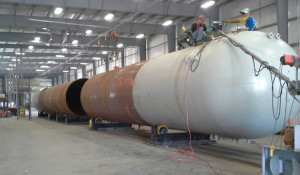
In addition, executing energy management systems helps keep an eye on and enhance energy use throughout the production cycle, identifying areas for enhancement and ensuring compliance with ecological criteria. These systems can result in considerable reductions in energy consumption, adding to a much more sustainable manufacturing process.
Waste Reduction Methods
The application of energy-efficient production methods naturally leads to a heightened concentrate on waste decrease methods in storage tank manufacturing. Business are progressively adopting techniques that minimize product waste while maximizing source use. Secret methods include lean manufacturing concepts, which simplify processes to remove ineffectiveness and decrease excess inventory.
Reusing and recycling materials is one more vital technique. Many producers are now buying modern technologies that promote the improvement of scrap metal and various other spin-offs throughout manufacturing. This not only conserves raw products but also reduces disposal costs and ecological effect.
Manufacturers are accepting electronic innovations such as IoT and information analytics to monitor and handle waste extra efficiently. These devices can determine waste generation points and give insights for constant improvement. Furthermore, implementing closed-loop systems makes it possible for companies to utilize waste products as inputs for new procedures, fostering a circular economic climate.
The search of accreditations such as ISO 14001 underscores the dedication to sustainability and waste decrease, positioning companies positively in an affordable market. By systematically resolving waste, storage tank producers can attain both economic and ecological advantages, driving ahead a more lasting sector.
Energy-Efficient Insulation Solutions
As producers seek to boost the effectiveness of tank, Resources they are turning to ingenious energy-efficient insulation solutions that substantially lower thermal losses. One prominent pattern is using innovative products such as aerogels and vacuum-insulated panels, which offer phenomenal thermal resistance while being lightweight. These materials not only reduce warm transfer however additionally add to a reduced overall footprint and lower installation expenses.
In enhancement, indispensable insulation systems, which combine insulation with tank building and construction, improve the manufacturing process and get rid of the demand for exterior cladding. This technology not only boosts thermal efficiency yet also boosts architectural stability. Moreover, reflective insulation modern technologies are obtaining grip, as they can successfully minimize heat absorption from exterior sources, thereby keeping optimal interior temperatures.
Carrying out these energy-efficient insulation solutions not just brings about considerable power savings yet likewise straightens with sustainability objectives by reducing greenhouse gas exhausts connected with heating and cooling procedures. As the industry develops, the emphasis on insulation modern technology will certainly stay critical in ensuring that storage containers satisfy modern performance requirements while contributing positively to environmental sustainability.

Automation in Tank Production
Developments in automation technology are transforming container manufacturing, substantially boosting performance and precision. Automated systems now play an essential role in numerous stages of manufacturing, from material managing to welding and assembly. These innovations minimize human treatment, consequently decreasing the likelihood of mistakes and enhancing throughput.
Robot systems are significantly used for tasks such as welding and surface treatment, making certain regular top quality and minimizing production time. Automated top quality control systems use sophisticated sensing units and artificial intelligence formulas to find problems in genuine time, permitting manufacturers to resolve concerns quickly and maintain high requirements.
Moreover, the combination of Net of Points (IoT) innovation in container manufacturing assists in real-time tracking of machinery and procedures. This connection brings about boosted operational insights, enabling producers to enhance workflows and maintenance schedules. Anticipating analytics can prepare for tools failures, better enhancing integrity and lessening downtime.
Boosted Safety And Security Functions
Incorporating improved safety and security attributes right into storage tank manufacturing has actually come to be a vital focus for market leaders. As the demand for trusted and safe and secure storage space remedies grows, manufacturers are adopting cutting-edge technologies and style concepts to reduce risks connected with harmful materials.
One significant improvement is the incorporation of innovative leakage discovery systems. These systems make use of sensing units that check container honesty, making it possible for early identification of leaks and stopping environmental contamination (Storage Tank Manufacturing). In addition, using double-walled storage tanks includes an extra layer of defense, making sure that if the inner wall surface fails, the external wall consists of any possible spills
Suppliers are carrying out stress alleviation shutoffs and overfill prevention systems to attend to possible overpressurization and overflow scenarios. These systems are designed to turn on automatically, substantially decreasing the threat of disastrous failings.
The integration of clever surveillance technologies enables for real-time data collection and analysis. This capability allows proactive upkeep and quick action to any type of safety concerns, guaranteeing conformity with sector laws
Regularly Asked Concerns
How Do Storage Tank Innovations Effect Overall Operational Costs?
Developments in storage tank manufacturing significantly minimize operational costs by enhancing efficiency, reducing upkeep demands, and maximizing source use. These innovations result in decrease power consumption and extended devices lifespan, ultimately enhancing total financial performance for companies.
What Industries Advantage Many From Advanced Storage Tank Technologies?
Industries such as oil and gas, chemicals, water treatment, and food processing greatly benefit from advanced storage tank technologies. These developments boost safety and security, enhance resource management, and boost operational effectiveness, eventually decreasing costs and environmental influence.
Exist Certain Qualifications for Eco-Friendly Tank?
Yes, specific qualifications for environment-friendly storage space containers exist, such as the Environment-friendly Building Council's LEED qualification, ISO 14001 for ecological management, and numerous industry-specific requirements that ensure compliance with sustainability and security guidelines.
What Is the Lifespan of Modern Tank Compared to Standard Ones?
Modern storage tanks commonly have a life expectancy of 30 to 50 years, significantly outpacing traditional storage tanks, which commonly last 15 to three decades. Advanced products and making methods add to this raised longevity and durability.
How Do These Developments Affect Regulatory Compliance in Tank Manufacturing?
Advancements in storage tank manufacturing enhance regulative compliance by integrating innovative materials, automated surveillance systems, and improved layout criteria. These advancements assure adherence to safety guidelines, minimize ecological impact, and promote sustainability within the market.
The evolution of storage container manufacturing is increasingly driven by the combination of innovative materials developed to improve durability and performance. Modular storage tank layouts are reinventing the storage space tank market by offering boosted customization options that provide to particular client demands. Maximizing room efficiency has become an important consideration in storage tank layout, particularly with the development of modular storage tank setups. Technologies in storage space container manufacturing significantly reduce functional prices by improving effectiveness, minimizing maintenance needs, and enhancing source use - Texas Oilfield Storage Tank Company. Modern storage containers usually have a life-span of 30 to 50 years, markedly surpassing standard storage tanks, which typically last 15 to 30 years